

Psychotherapy in York
Ecotherapy in nature reserves in Riccall, York. YO19
When you picture therapy, you might think of meeting a counsellor in a therapy room. It’s a familiar image for most people who are looking for therapy. Indoor settings suit many, but they're not for everyone.
I offer ecotherapy, or outdoor psychotherapy in York offers an alternative: professional therapeutic work in natural surroundings rather than indoor therapy rooms.
If you're exploring options for in-person support, ecotherapy could provide the kind of space where you feel able to open up, even if you hadn't initially considered working with counsellors outside traditional settings.

Outdoor Therapy in York
Finding the right space for healing can make all the difference. As a qualified integrative psychotherapist, I offer outdoor therapy sessions in natural settings in the York area. Most of my work is based in nature reserves near Riccall (YO19). These sessions combine the proven benefits of ecotherapy with integrative counselling, creating a unique opportunity for healing and growth.
Walking alongside someone in nature creates a different quality of connection. There's something about being outdoors that can ease the pressure many people feel in traditional therapy rooms. Walking together through green spaces can offer you a gentler, more natural way to open up.
I’m a GSRD therapist, and one of my specialisms is working with LGBTQ+ clients, people in Open & Poly relationships, and people who are (or think they may be) neurodivergent. Whether you're navigating questions of identity, working through past trauma, or struggling with anxiety, outdoor sessions provide a space where you can be yourself whilst reconnecting with the natural world.
Issues I can help you with
Exploring your gender identity
Sexuality
Self-worth
Neurodivergence
Anxiety
Establishing healthier boundaries
Emotional / narcissistic abuse
Late identified autism
Childhood emotional neglect
Patterns of people-pleasing
Intersex
Trauma
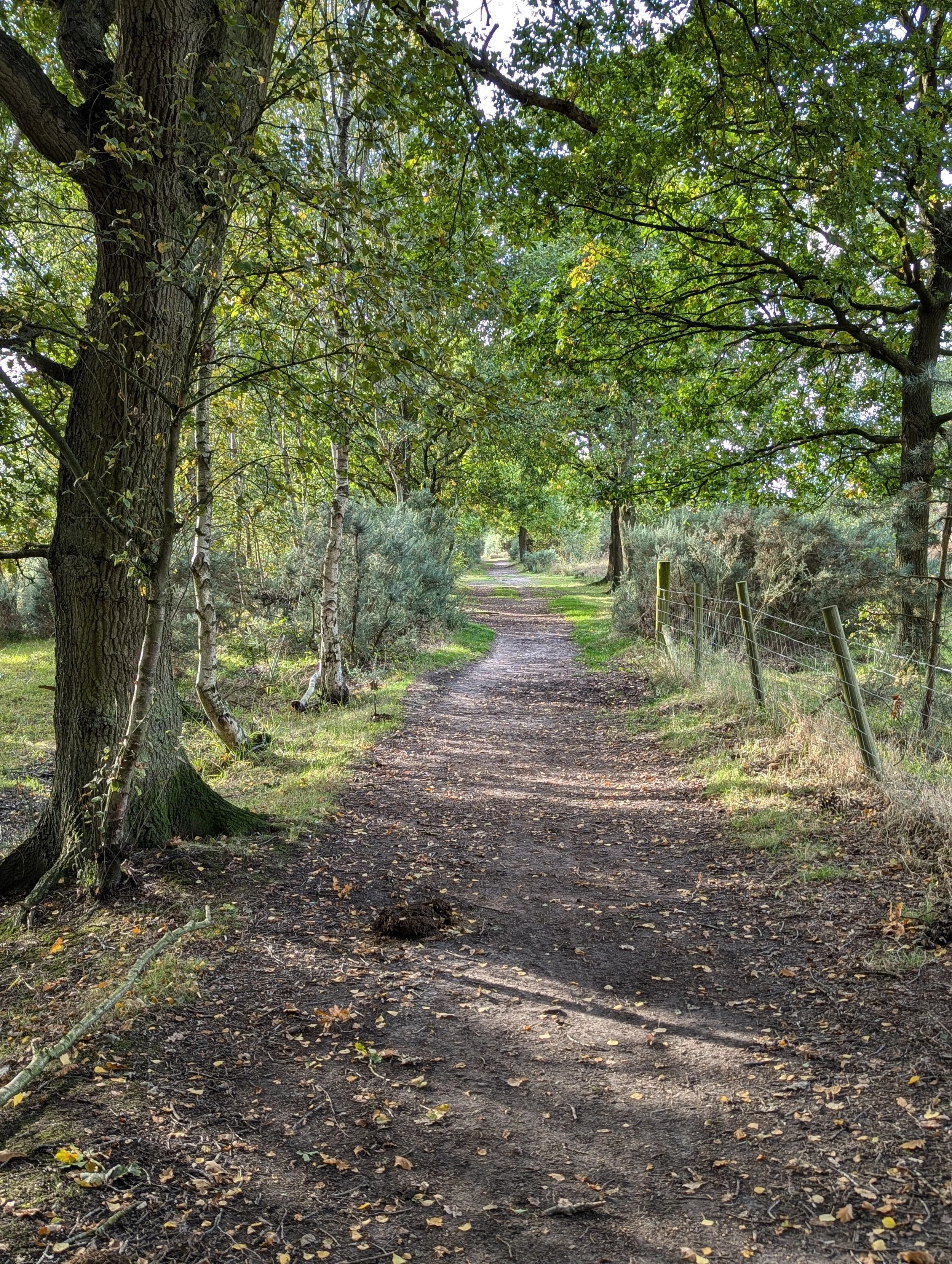
Ecotherapy
The area offers beautiful countryside, quiet paths, and spaces where we can talk freely without the constraints of four walls.
I draw on GSRD, Gestalt and Feminist therapy and I can adapt our work together to what you need, rather than following a rigid structure.
Some people find that moving whilst talking helps them process difficult emotions more easily. Others appreciate how being outdoors reduces the intensity that can come with direct eye contact in traditional therapy settings.
Outdoor Psychotherapy York - Who Can Benefit from counselling outdoors?
Outdoor therapy can be particularly helpful if you:
Feel uncomfortable in traditional therapy rooms
Find that movement helps you think more clearly
Experience anxiety in enclosed spaces or formal settings
Benefit from sensory input to stay grounded
Feel more at ease when not making continuous eye contact - outdoors we naturally look at where we are walking
Want to combine counselling with the natural stress-reduction that comes from being outside
Many autistic and neurodivergent people find outdoor sessions more accessible. The reduced pressure of eye contact, the option to move, and the sensory richness of natural environments can all support deeper, more comfortable engagement in the therapeutic process.
This approach also suits people who have found traditional therapy settings triggering or who simply feel more relaxed outdoors. As a GSRD therapist working with diverse identities and experiences, I recognise that there's no single 'right' way to do therapy. What matters is finding an approach that feels safe and supportive for you.
Exploring the Benefits of Ecotherapy
Ecotherapy, or outdoor counselling and psychotherapy in natural settings, brings together two powerful forces for healing: the therapeutic relationship and the restorative qualities of nature. Research shows that spending time in green spaces can reduce cortisol levels, lower blood pressure, and relax our nervous systems.
A New Perspective
Stepping outside familiar environments can help create psychological distance from problems that feel overwhelming. When we're stuck in anxious thought patterns, the same four walls can start to feel like they're closing in. Nature offers a sense of spaciousness outside the confines of the walls of the therapy room.
During sessions, you might notice how the changing seasons mirror your own process of growth and change. Trees that look bare and lifeless in winter burst into life come spring. This natural rhythm can offer hope and perspective when you're working through difficult material.
Mindfulness in Nature for Emotional Well-being
The outdoor environment naturally invites present-moment awareness. The sound of birdsong, the feeling of wind on your skin, the sight of light filtering through leaves. These kinds of sensory experiences can help support a sense of safety and presence, especially when feeling difficult emotions.
This quality of presence supports the deeper work we do together. When you're caught in loops of worry or self-judgment, gently bringing attention back to your immediate sensory experience can provide relief. For people who have experienced trauma, this grounding in the body and senses can be particularly valuable.
My training includes specialist work in mindfulness practices, which weaves naturally into outdoor sessions. Rather than adding structured meditation exercises, we work with the mindful awareness that emerges when walking and talking in natural surroundings.
How Psychotherapy in Nature Improves Mood and Reduces Anxiety
Studies on ecotherapy consistently show reductions in anxiety, depression and rumination after time in nature. The Japanese practice of "forest bathing" has demonstrated measurable changes in stress hormones and immune function. Whilst outdoor therapy sessions aren't simply nature walks, they harness these same benefits as part of the therapeutic process.
For people who experience social anxiety, outdoor settings can feel less pressured than traditional consulting rooms. The side-by-side nature of walking therapy, rather than face-to-face sitting, can ease the intensity some people find difficult.
Clinical evidence supports what many people intuitively know: being in green spaces helps regulate mood. When combined with skilled therapeutic support, these natural benefits can become part of your broader journey towards feeling safer in yourself and more at ease in the world.
The Power of Movement
Our bodies hold experience in ways that talk therapy alone doesn't always reach. Movement gets us out of our heads and back into embodied experience. For people who find it hard to sit still, or who think more clearly when moving, walking therapy can be transformative.
There's something about walking in nature that can feel helpful for some people to connect with feelings and insights whilst walking that might not emerge in a seated session.
Movement also gives you control over the pace and intensity of sessions. If we're discussing something painful, you can pause, adjust your speed, or suggest we find somewhere to sit. This agency can be particularly important for trauma survivors who may have experienced a loss of control.
What Happens During an Outdoor Session with a psychotherapist
Before we begin outdoor sessions, we'll have an introductory call, online, to talk about whether this approach feels right for you. We'll talk about any concerns, your therapeutic goals, and practical matters like meeting points and backup plans for bad weather.
Each session begins at an agreed location with good parking or public transport links. We'll typically walk a circular route, though we're not trying to "get" anywhere. The walking is in service of the therapy, not the other way round.
What we discuss is entirely guided by what matters to you. Some people come to outdoor therapy wanting to work through specific issues: relationship patterns, trauma, questions about identity or sexuality, struggles with self-worth. Others appreciate having a space to explore whatever is present for them each week.
As someone who has worked as a therapist and counsellor for over 13 years, I bring experience in supporting people with complex trauma, relationship difficulties, anxiety, and the particular challenges faced by LGBTQ+ clients and neurodivergent individuals. My practice is informed by training with Gabor Maté in Compassionate Inquiry, as well as specialist training in working with gender, sexual and relationship diversity.
You don't need to prepare anything or have specific topics ready. What's most important is that you feel able to be yourself. Whether you're dealing with anxiety that's getting in the way of relationships, working through the impact of emotional neglect, or exploring aspects of your identity, outdoor sessions offer a setting where healing can unfold at your own pace.
Sessions are confidential, following the same ethical guidelines as traditional psychotherapy. We'll discuss boundaries and expectations at the start of our work together, ensuring you feel safe and clear about how we'll work.
If weather makes outdoor sessions impossible, we can meet online instead. This flexibility ensures continuity of support whatever the conditions.
Ready to Take the Next Step?
If outdoor therapy near York sounds like it might suit you, I'd welcome the chance to talk. Book a free introductory call and we can explore whether working together feels right. There's no pressure—just a genuine conversation about how I might support you.
Contact me to arrange your consultation and begin your journey towards greater self-acceptance, confidence and ease.
I am neurodivergent, kink, fetish, and open and poly affirming. (Please note that I work with individuals. I don’t see couples or polycules, though I often work individually with people who are also in relationship therapy as a two or more than two.)